
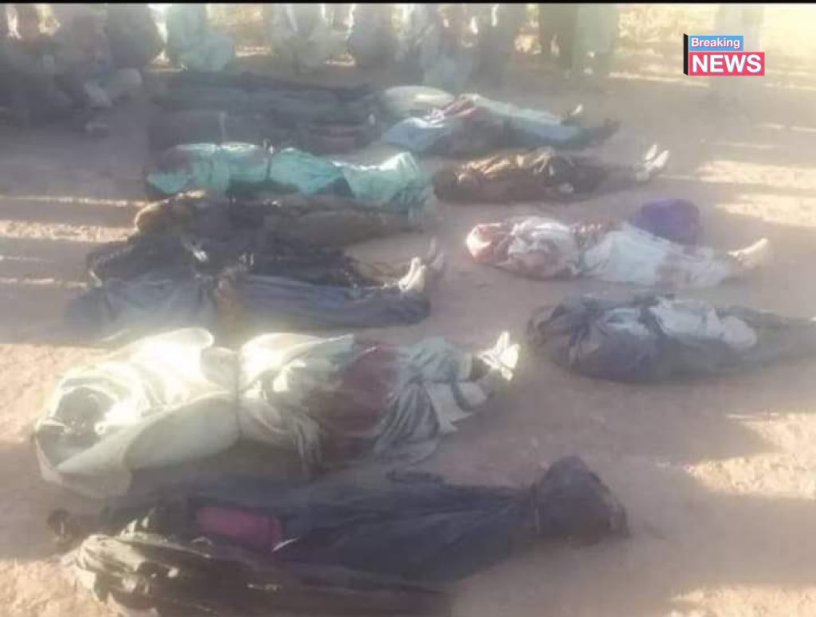
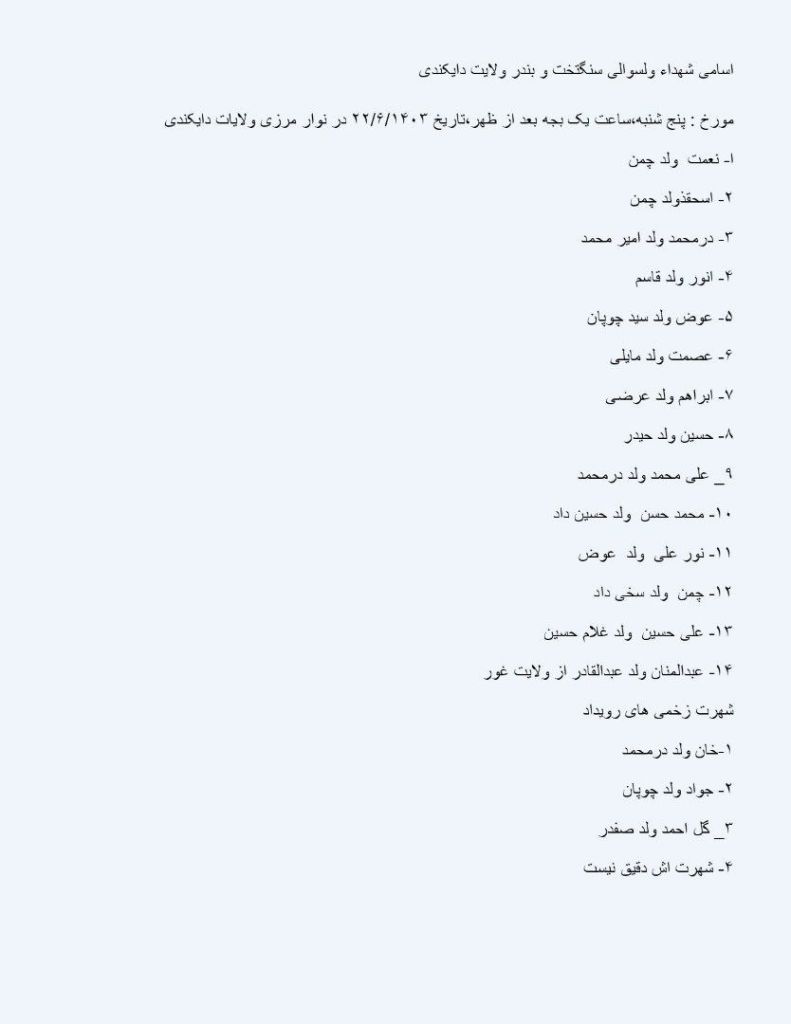
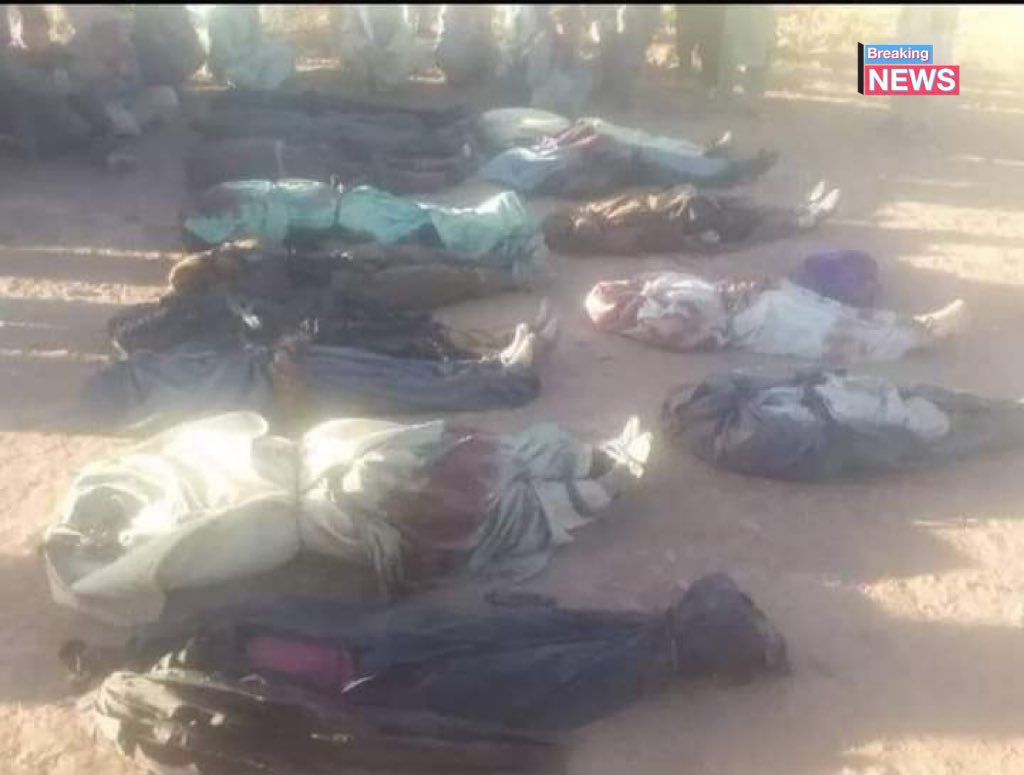
On 12 September 2024, gunmen affiliated with the Islamic State of Iraq and Syria Khorasan Province (ISISK) launched a brutal attack on the Hazara community in Daykundi province, Afghanistan, killing 14 civilians and leaving several others injured. The assault targeted a remote village predominantly inhabited by the Hazara ethnic minority, a group that has long faced persecution and violence from extremist groups.
The attack marks yet another tragic chapter in the ongoing violence against the Hazara people, an ethnic group that has frequently been targeted for their Shi’a Muslim faith by both ISIS and the Taliban. In the wake of the attack, many have pointed out that ISIS operates with apparent impunity under the Taliban regime, with some experts noting that the two groups share similar ideological goals despite their differences.
“Make no mistake, ISIS freely operates under the Taliban’s regime, and they are two sides of the same coin,” Zohal Azra stated on X platform, highlighting the deep fears held by Afghanistan’s Hazara population.
Since the Taliban regained control of Afghanistan in 2021, there has been a sharp increase in violence against the Hazara community. Despite promises of inclusivity, the Taliban’s rule has seen continued attacks on minorities, with ISIS often claiming responsibility for some of the deadliest incidents.
International human rights organizations have condemned the ongoing violence and urged the international community to take stronger action to protect vulnerable populations in Afghanistan. However, with the Taliban’s refusal to acknowledge the Hazara plight and the continued presence of extremist factions like ISIS, many fear that the violence will only escalate.
The Hazara people remain one of the most persecuted groups in Afghanistan, and this latest massacre only adds to the long list of atrocities they have endured.
 Outsider