
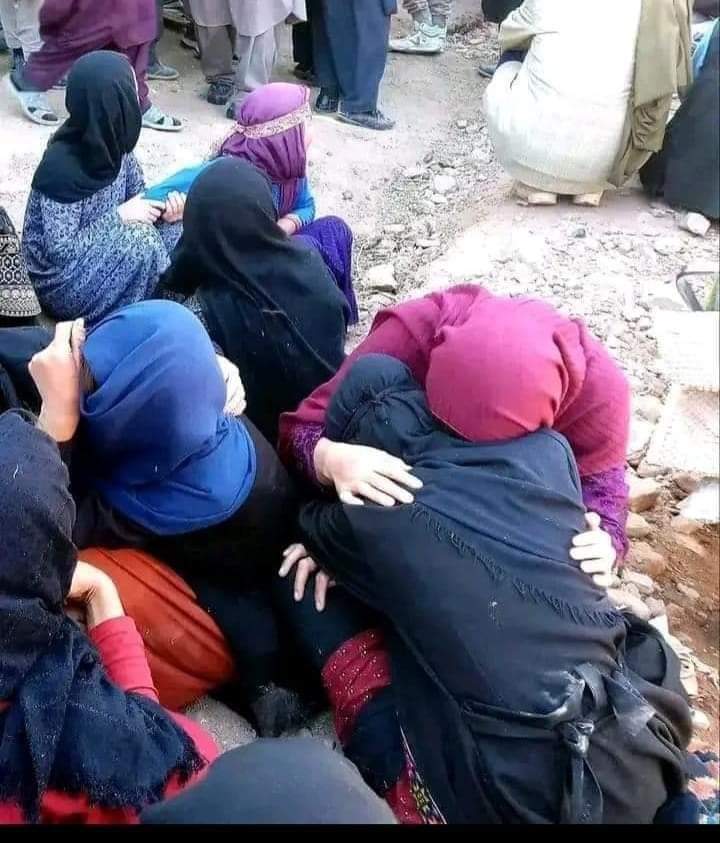
The massacre of Hazaras in Daikundi on September 12, 2024, under the Taliban regime, once again reminded the world that Hazaras are always at serious risk of systematic killings. The series of massacres that deliberately target Hazaras in Afghanistan fully align with the definition of genocide according to the United Nations Convention. In reality, it doesn’t matter who holds power in Afghanistan; Hazaras continue to face the threat of genocide. These killings not only expose a humanitarian crisis but also reveal the international community’s inability to prevent such tragedies.
The UN Genocide Convention, which was adopted in 1948 and came into effect in 1951, provides a clear definition of genocide: “the deliberate attempt to destroy, in whole or in part, a group based on nationality, ethnicity, race, or religion” is considered genocide. Based on this definition, the crimes committed against Hazaras in Afghanistan undoubtedly constitute genocide. The main question is whether Western countries and other members of the international community, especially the signatories of the Genocide Convention, have fulfilled their responsibilities regarding this humanitarian crisis.
Western countries, particularly those that are signatories to the Genocide Convention, bear heavy moral and legal responsibilities to prevent genocide and to support oppressed ethnic groups, such as the Hazaras. Failing to take serious action in this regard means a blatant violation of human rights principles and a disregard for global values. These countries, given their key role in the international community and membership in human rights organizations, are obligated to provide political, diplomatic, and humanitarian aid to the Hazaras and other oppressed minorities.
The first step would be for the international community to formally recognize the genocide of Hazaras. This would pave the way for the establishment of international courts to investigate and prosecute those responsible for the killings of Hazaras. Additionally, imposing targeted sanctions against governments or groups involved in these crimes could serve as a tool for political pressure and help prevent further killings. Beyond diplomatic and political pressure, Western countries can take more practical steps to support the Hazaras.
What else Western nations can do to support the Hazaras?
1. Acceptance of Hazara refugees: Western countries can expedite the process of accepting Hazara refugees, providing them with safe and legal pathways for migration. Many Hazaras, either under pressure within Afghanistan or who have fled to neighbouring countries like Pakistan and Iran, live in extremely difficult conditions and need immediate support.
2. Financial and humanitarian support for human rights organizations: Western countries can contribute financially and with human resources to human rights organizations and charities active in conflict zones, helping to improve the living conditions of Hazaras. Unfortunately, such aid in Hazara-populated areas is either non-existent or very limited.
3. Increasing public and media awareness: International media, especially in Western countries, can raise public awareness of the Hazara Genocide through broader and more accurate coverage. This can sensitize public opinion about this humanitarian crisis and put more pressure on their governments to intervene. Unfortunately, these efforts are either rarely carried out or are very limited.
The responsibility of Western countries and the international community regarding the Hazara Genocide is not just a legal obligation but also a moral one. Ignoring the situation of the Hazaras and failing to take action to prevent these killings is inhumane and unethical, and It is a deviation from human rights values. Now is the time for Western countries to move from words to action and take serious steps to support this oppressed ethnic group before more tragedies like the one in Daikundi are repeated.
Afghanistan, Articles, Hazaras
The Responsibility of International Community Regarding Hazara Genocide
 Outsider