
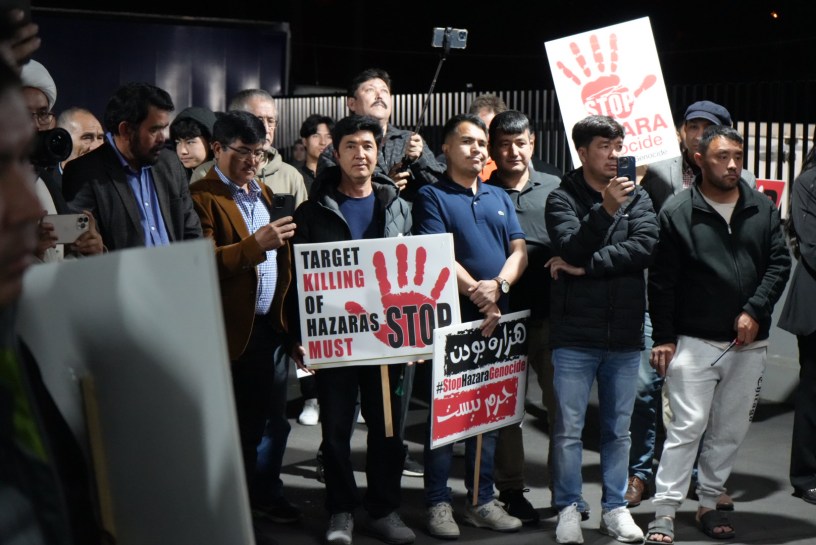
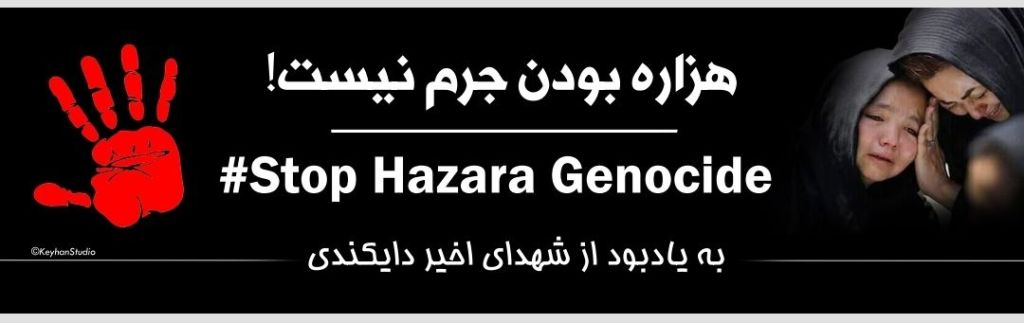
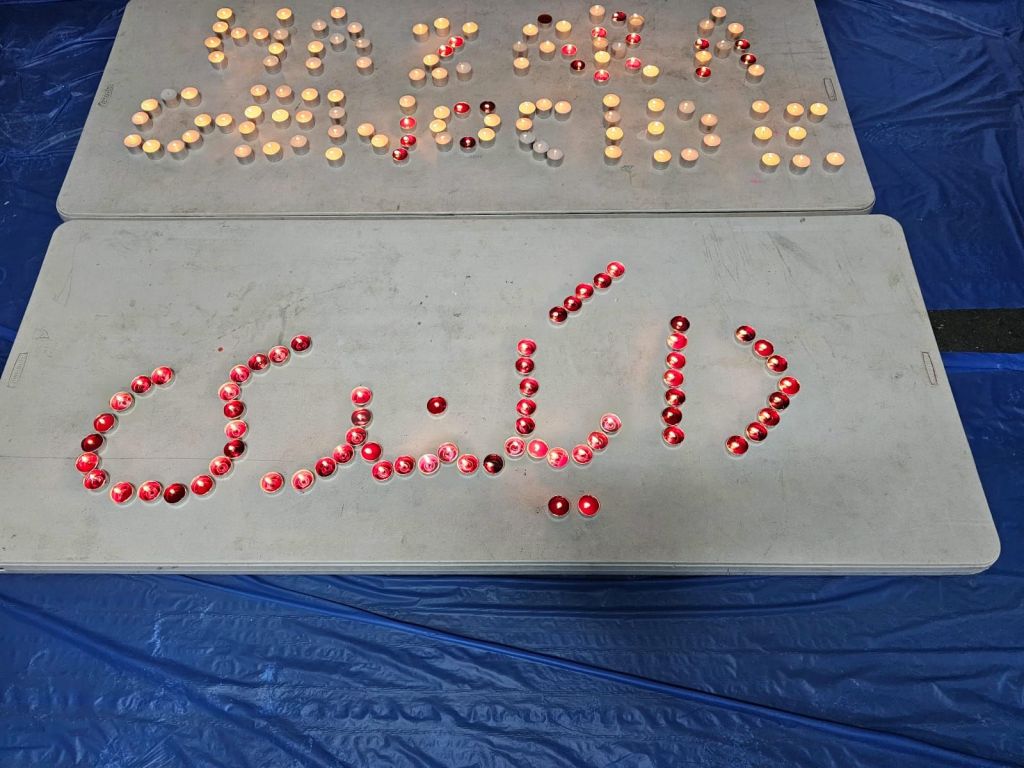
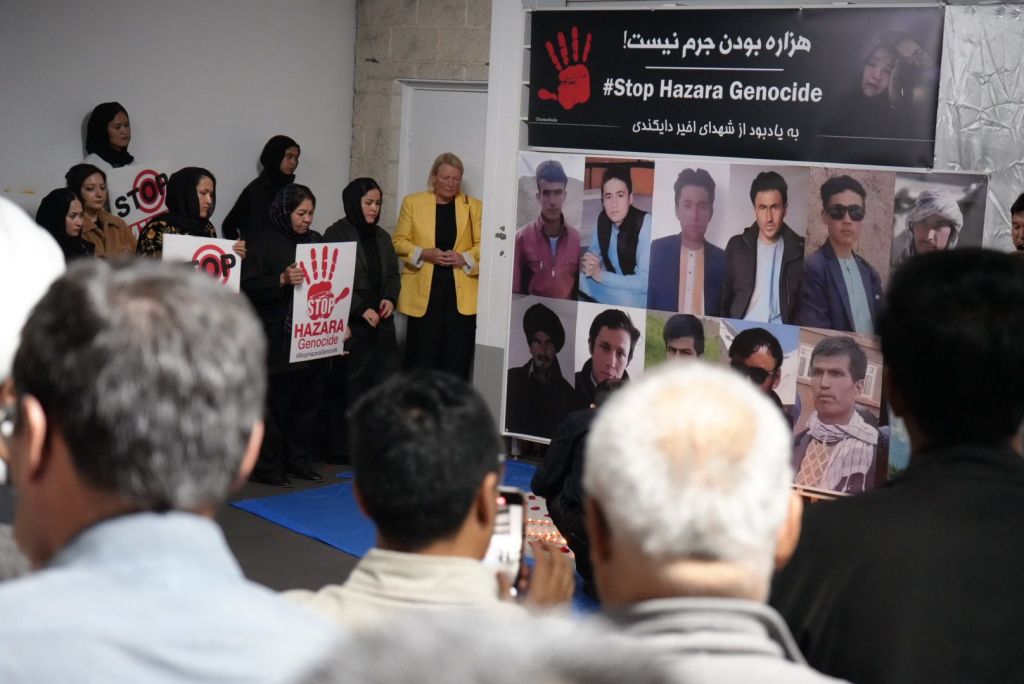
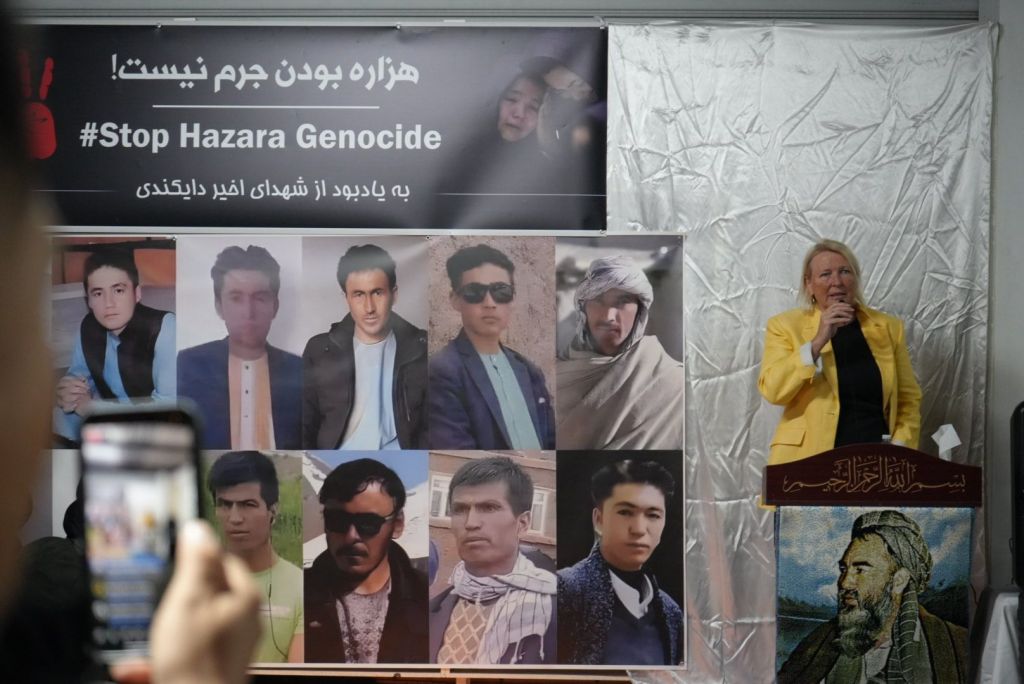
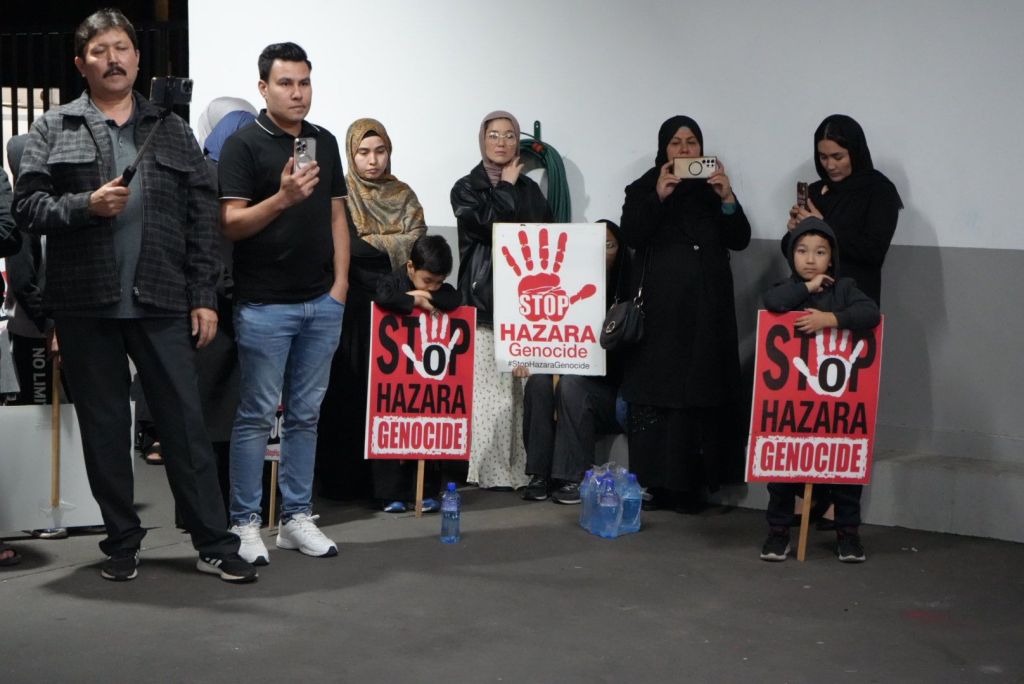
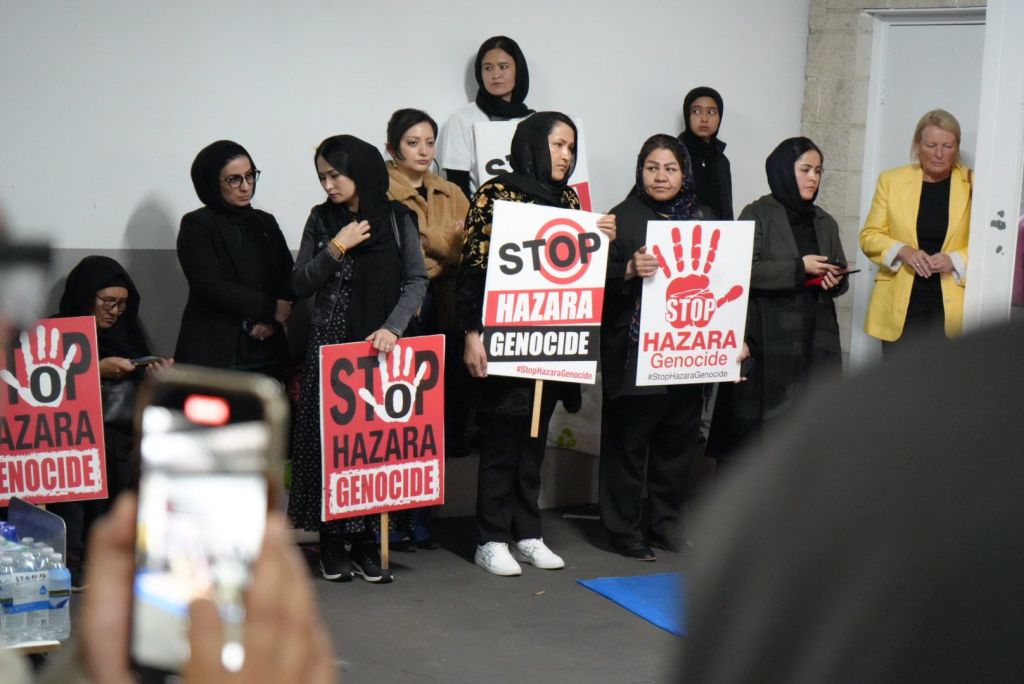
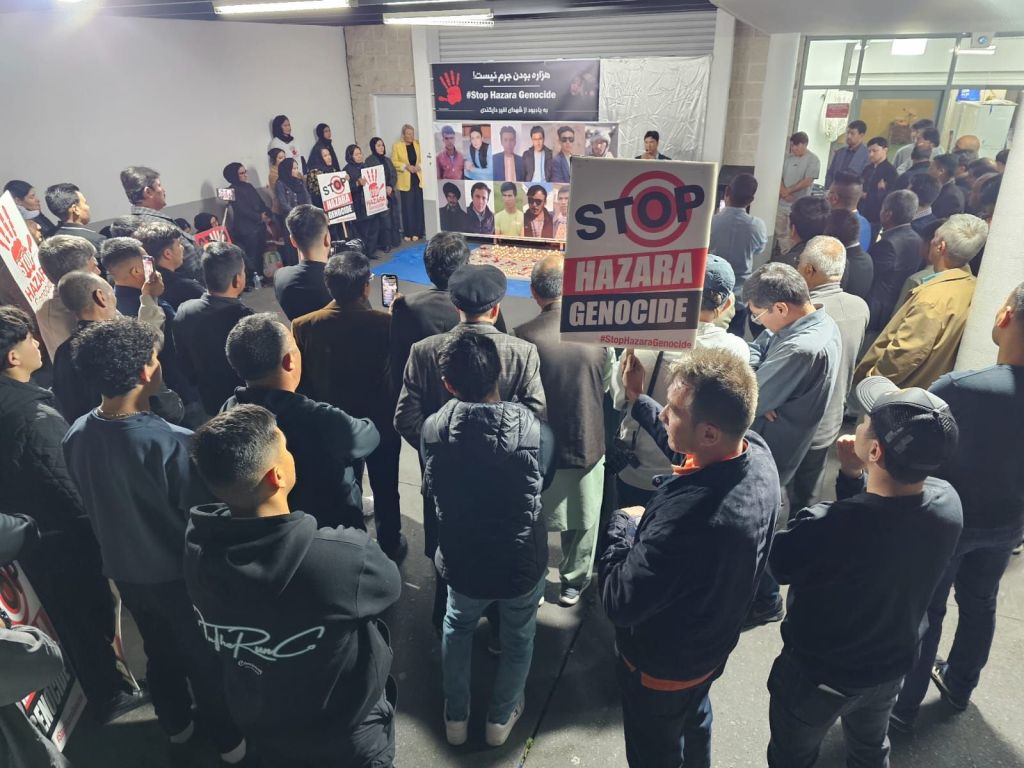
A moving candlelight vigil took place at the Ershad Islamic Centre in Western Sydney to commemorate the victims of the Hazara genocide in Daikundi, Afghanistan. People from diverse backgrounds gathered in a solemn atmosphere to remember the 15 innocent Hazaras tragically killed on September 12 by the ISK (ISIS-Khorasan) terrorist group. The event was marked by heartfelt calls for justice and solidarity with the Hazara community.
According to eyewitness accounts, ISK militants lined up the victims under the pretence of taking photographs near the border of Ghor province before opening fire on them. Fifteen people were brutally killed in this horrific attack, with several others injured. This massacre serves as a stark reminder of the ongoing and systematic threats faced by the Hazara community, which has long been the target of genocidal violence in Afghanistan.
This atrocity took place amid the Taliban’s three-year rule over Afghanistan. The Taliban, a group with a long history of persecuting Hazaras, a group that has not only continued its own violence against Hazaras but also allowed other extremist groups like ISK to thrive. As a result, the Hazara people now face a heightened risk of genocide, with an uncertain and dangerous future ahead.
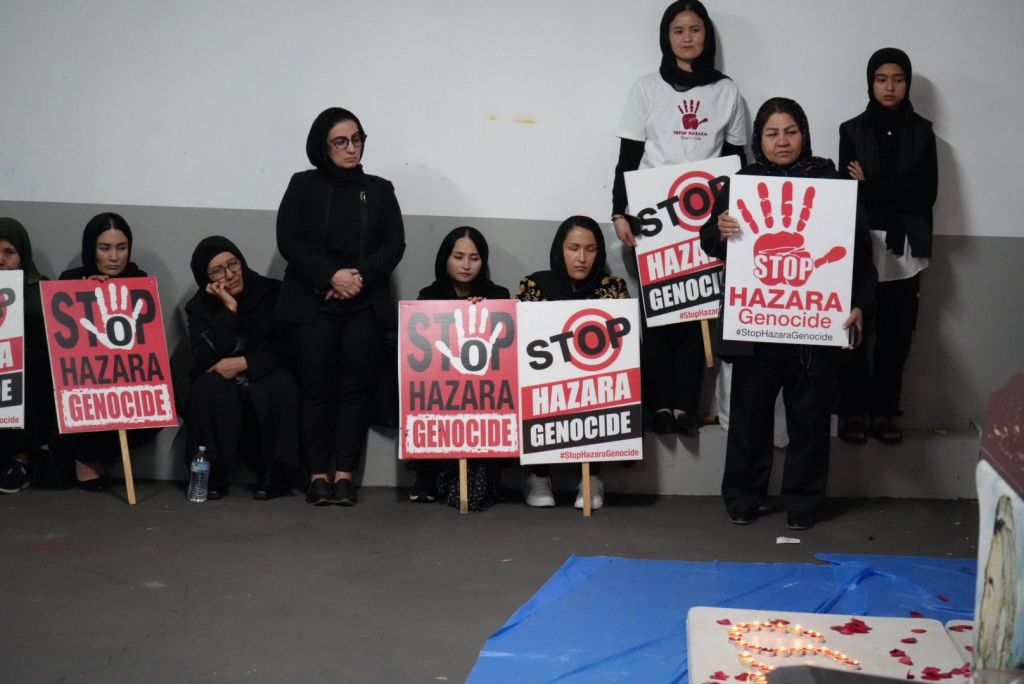
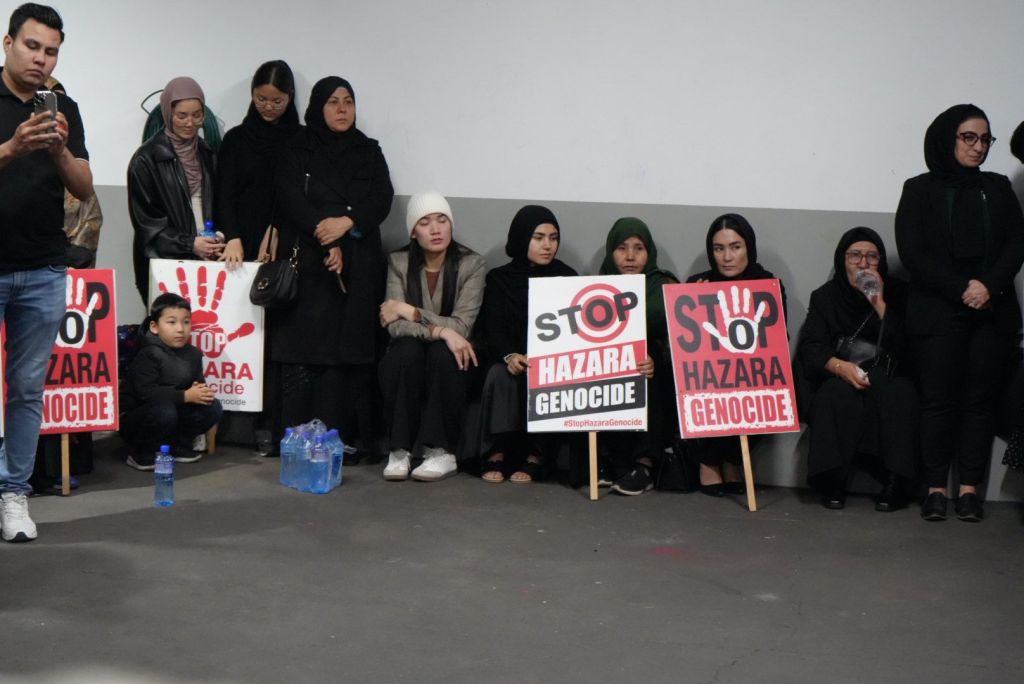
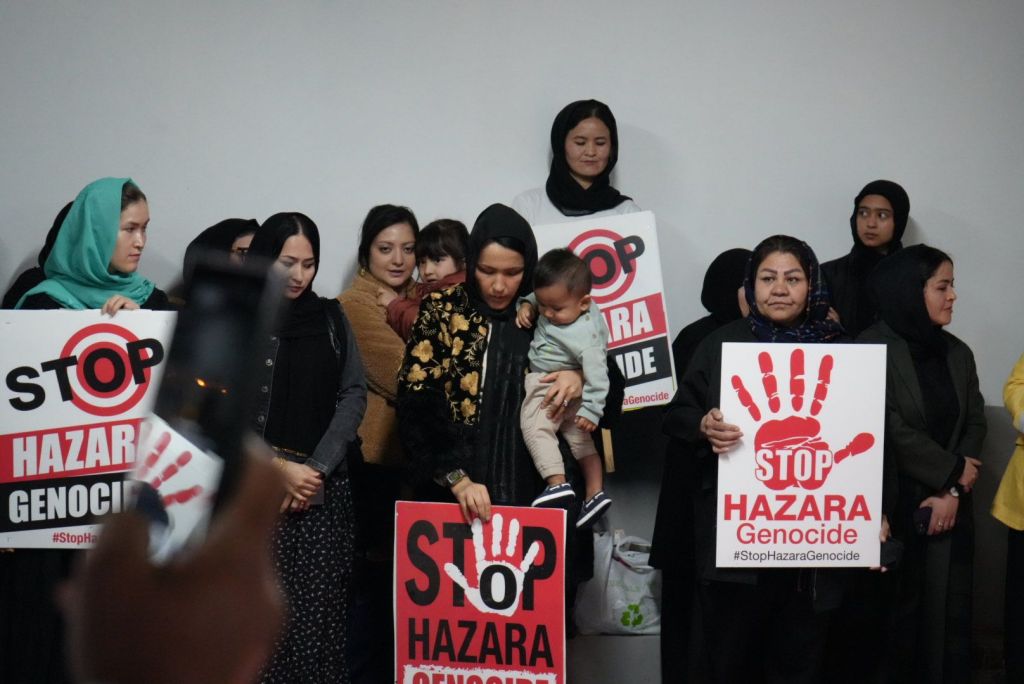
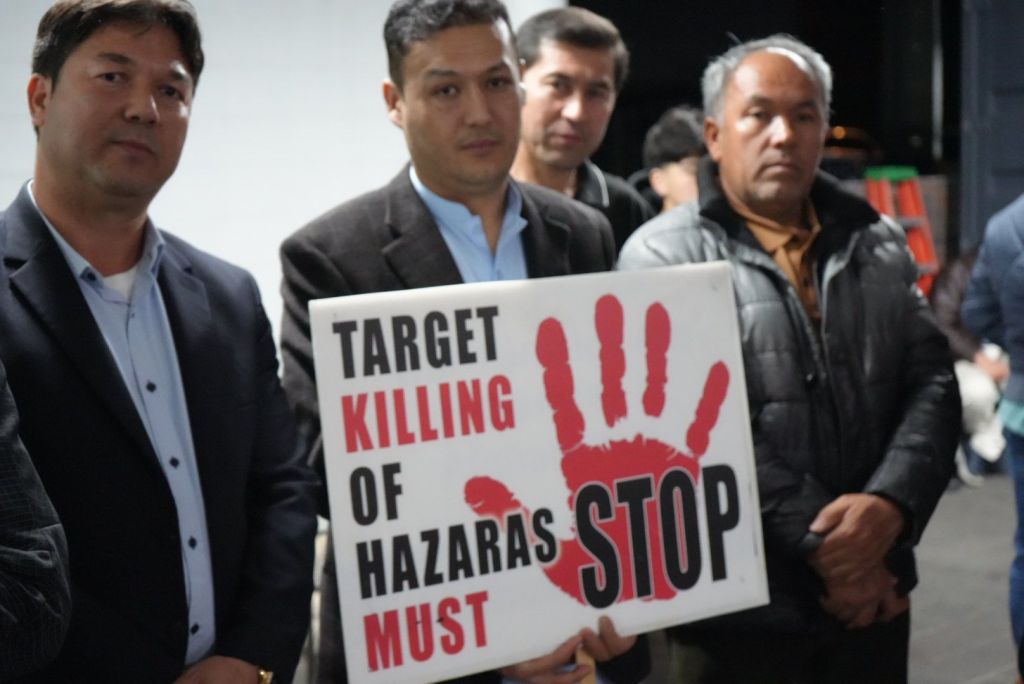
Participants in the vigil carried placards demanding an end to the Hazara genocide, urging the global community to take notice of this humanitarian crisis. Speakers highlighted the necessity for stronger international support for the Hazara people, calling on Western nations to formally recognise the genocide and press the Taliban to provide security for ethnic and religious minorities in Afghanistan.
The turnout at the vigil was a powerful demonstration of solidarity and shared grief. Attendees expressed their demand for an end to the violence against Hazaras and called for peace in Afghanistan. The event concluded with the extinguishing of candles after prayers for the Hazara community, underscoring the urgency of raising awareness and increasing international pressure to prevent future atrocities.
This vigil not only honoured the memory of the Daikundi victims but also served as a plea for justice and protection for one of Afghanistan’s most vulnerable communities.
 Outsider