
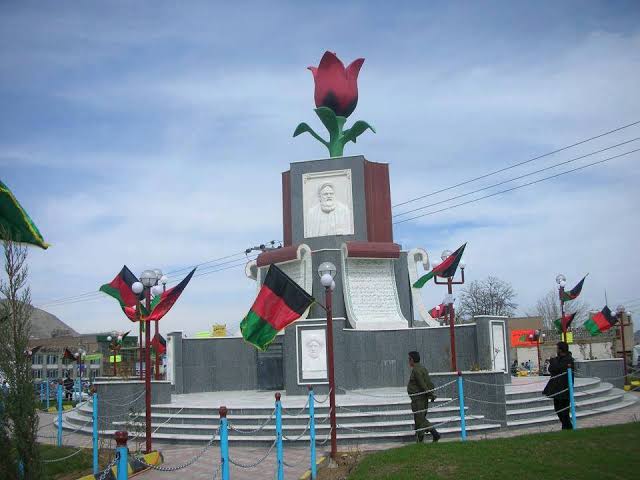
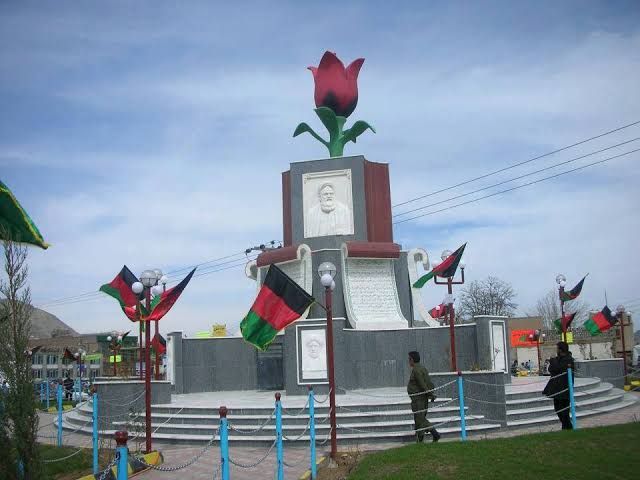
On Saturday night, the Taliban demolished Mazari Square, a significant landmark and a key figure deeply revered by the Hazara community. Following the destruction, they banned photography and filming at the site, preventing any visual documentation of the event.
The destruction of Mazari Square by the Taliban is not just a physical act but a symbolic attempt to erase Hazara identity. Abdul Ali Mazari, a key figure in Hazara resistance and minority rights, is honoured through this square, which holds deep significance for the community.
This act reflects the Taliban’s ongoing hostility and hatred toward the Hazara community and is part of their broader strategy to erase the cultural and historical symbols of minority groups, particularly the Hazaras. A similar act occurred in 2001 when the Taliban destroyed the iconic Bamyan Buddhas, monumental 6th-century Buddhist statues located in the Bamiyan Valley, the Hazara heartland. It sends a clear message: the Hazaras have no place in Afghanistan’s culture or history. The move represents an effort to rewrite history and eliminate the Hazara contribution to national struggles.
The destruction of this symbol could further inflame ethnic and sectarian tensions in Afghanistan. Already a persecuted Shia minority, the Hazaras view this as a direct attack on their identity and history. Such actions may lead to social unrest and deeper ethnic divisions, destabilising Afghanistan’s security and undermining national unity.
Moreover, the psychological impact on the Hazara community is profound. For many, Mazari Square represents resistance and identity. Its destruction may foster feelings of helplessness, isolation, and exclusion from the country’s history.
Ultimately, this act symbolises the Taliban’s ongoing discriminatory policies against minorities, threatening Afghanistan’s national unity. A stable and progressive future for the country depends on respecting its ethnic and religious diversity.
 Outsider