
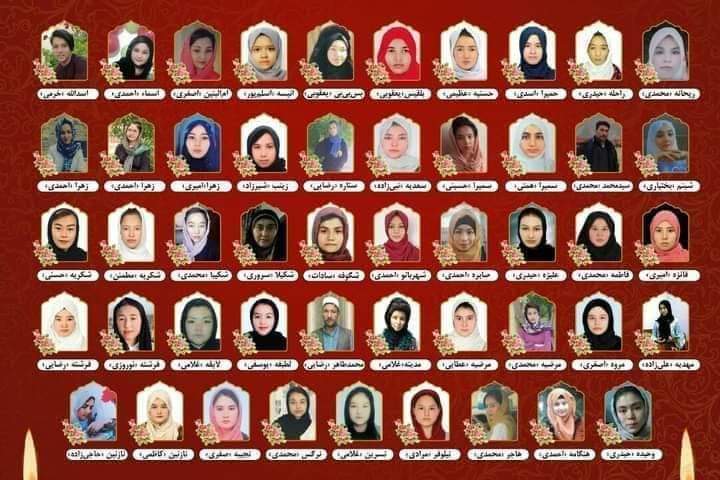
Two years ago, on September 30, 2022, the Kaaj education centre in Dashte Barchi, a predominantly Hazara neighbourhood in Kabul, Afghanistan, became the scene of a devastating attack. A suicide bomber targeted the facility, killing at least 52 people and leaving 110 others injured. Most of the victims were young Hazara female students, eager to pursue an education in the face of unimaginable adversity.
The attack sent shockwaves throughout Afghanistan and the international community, highlighting the continued vulnerability of the Hazara people, a minority ethnic group that has long faced persecution. In the aftermath, women bravely took to the streets of Western Kabul to protest this senseless violence. However, as The Guardian reported, these protests were met with brutal repression, with the Taliban beating the demonstrators and further silencing their voices.
In response, a global social media movement emerged, with the hashtag #StopHazaraGenocide gaining traction on Twitter on October 2, 2022. The hashtag has since been tweeted over three million times, amplifying the call for the world to take notice of the atrocities being committed against the Hazara community under Taliban rule.
Unfortunately, the violence against Hazaras has not ceased. Just this year, on September 12, gunmen affiliated with ISK (Islamic State Khorasan) attacked a group of Hazaras in Daikundi province, killing at least 15 people. This incident serves as yet another reminder of the urgent need for protection and international support for this embattled community.
The Hazaras continue to live in fear of targeted attacks, discrimination, and systemic violence. Their plight is a stark reminder that, under Taliban rule, the safety and future of this marginalized group remain in peril. Now, more than ever, the Hazara people need the world to stand with them and advocate for their right to live free from fear and persecution.
The international community must act swiftly to ensure that these atrocities are not met with silence. If the world fails to intervene, the Hazaras will continue to suffer at the hands of extremist forces determined to erase their existence.
The Ongoing Tragedy of Hazaras: A Community in danger
 Outsider