
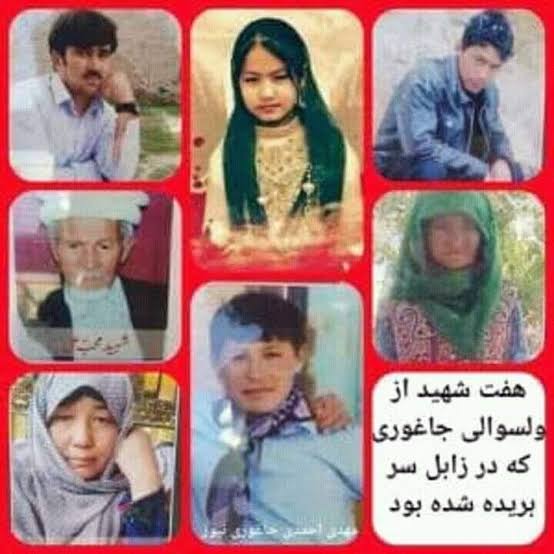
Shukria Tabasum, a young girl whose brief life became a symbol of resistance and advocacy for the Hazara community, was born in 2006 in the Jaghori district of Ghazni province. Born into a Hazara family, she began her childhood in an environment filled with hope and dreams. At the age of nine, with the innocent enthusiasm of a child, she had just started school and was eager to pursue her dreams. However, on November 9, 2015, during a journey from Jaghori to Quetta, Pakistan, Shukria, along with seven other Hazara passengers, was abducted by an armed group in Zabul province, Afghanistan. Although some sources initially attributed the crime to ISIS, no official evidence was provided to confirm their involvement. It was later revealed that local Taliban forces in Zabul were responsible for this brutal act. Shukria Tabasum and the other hostages were mercilessly killed, they were beheaded. This tragic event quickly spread through the media and social networks, sparking widespread reactions.
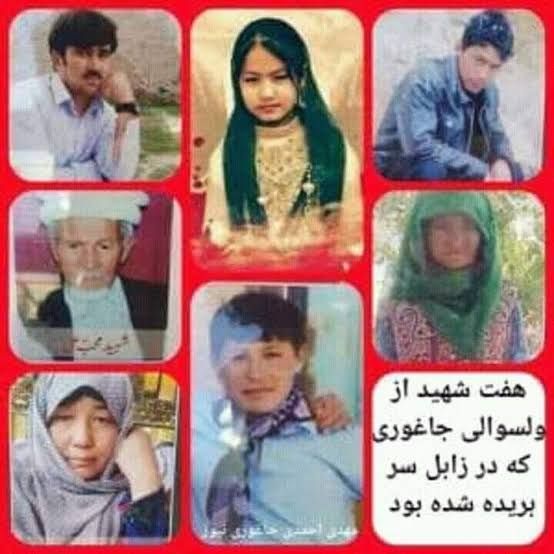
The ruthless killing of Shukria Tabasum ignited a wave of anger and grief across Afghanistan and even beyond its borders. The people of Afghanistan, who had endured years of discrimination, violence, and ethnic killings, took to the streets with an unprecedented show of solidarity and unity. The protest, known as the “Tabasum March,” became the largest advocacy movement in Afghanistan’s contemporary history. This march, which included thousands of people from various walks of life, began in Kabul and extended to the Office of Administrative Affairs of the President. With slogans such as “Justice for Tabasum” and “End the Killing of Hazaras,” the protesters demanded accountability and security for the Hazara community.
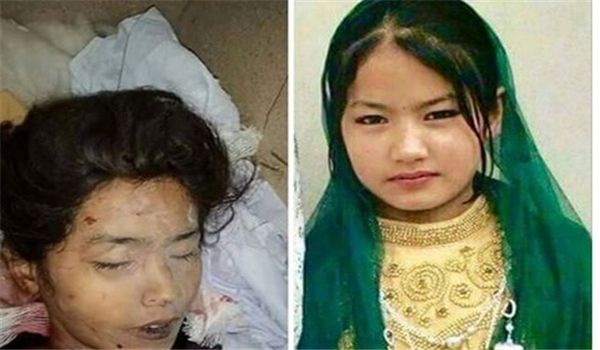
The Tabasum March was not just a protest against this brutal crime but also a response to the government’s longstanding neglect of the security and rights of the Hazara community. This demonstration showcased the power and unity of Afghanistan’s civil society and drew attention to the issue of minority rights and security at both domestic and international levels. Although the protests did not lead to immediate tangible political outcomes, they marked a turning point in the history of civil movements in Afghanistan.
Shukria Tabasum became a symbol—a symbol of the pain, suffering, and resilience of the Hazara community in the face of systemic violence and discrimination. Her name will be remembered in history as the young girl whose blood ignited the flames of a major public movement. She serves as a reminder that while violence and discrimination may claim lives, they cannot silence the voice of a nation’s demand for justice.
The story of Shukria Tabasum not only highlights the suffering and victimisation of the Hazara community but also carries a message of hope and solidarity. She proved that even in the darkest moments, through unity and resistance, the call for justice and human rights can reach the world. This event reminded all Afghans that only through solidarity and mutual support can they overcome challenges and hardships and pave the way toward a brighter future.
 Outsider