
A new cultural initiative, “Little Bamiyan,” has been launched in Melbourne, Australia, by a group of cultural activists aiming to introduce the rich history, heritage, and identity of Afghanistan, particularly the Hazara community. This project is situated in an area where many Hazara businesses are concentrated. However, the initiative has sparked controversy among some Afghan groups, with critics arguing that the name might not represent all ethnicities and cultures of Afghanistan. They fear that instead of fostering unity, it could deepen social divisions.
On the other hand, supporters of “Little Bamiyan” assert that it is not only a symbol of Hazara identity and history but also a representation of Afghanistan’s diverse culture in a multicultural country like Australia. They believe such initiatives contribute to mutual understanding and peaceful coexistence among migrant communities while preserving Afghanistan’s cultural heritage beyond its borders.
Bamiyan: The Jewel of Afghan History and Culture
Bamiyan, a city in central Afghanistan, stands as a testament to the nation’s multifaceted history and cultural significance. It gained international fame for its colossal Buddha statues, which were tragically destroyed by the Taliban in 2001. More than just an artistic marvel, Bamiyan has been a cultural epicentre for the Hazara people. Its deep historical ties provide profound insights into Afghanistan’s intricate cultural and historical fabric.
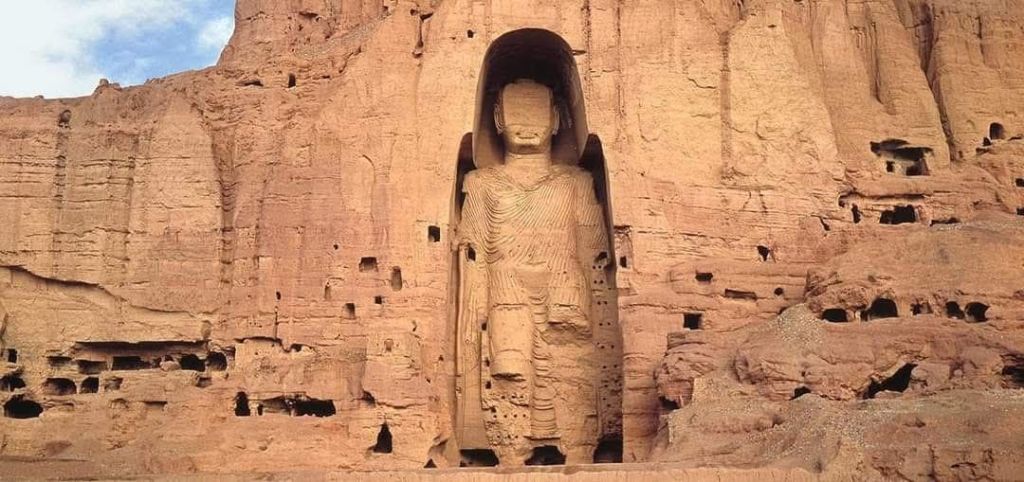
Located along the ancient Silk Road, Bamiyan flourished as a hub of Buddhist art and education between the 4th and 8th centuries CE. Its most renowned relics were the two massive Buddha statues carved into the sandstone cliffs of the Bamiyan Valley. These statues embodied the Gandhara artistic style, blending Greek-Roman and Indian influences. Beyond their artistic value, these statues highlighted Bamiyan’s historical role as a crossroads for cultural and religious exchange.
An Unbreakable Bond: The Hazaras and Bamiyan
The Hazara community, predominantly residing in central Afghanistan’s Hazarajat region, possesses a unique cultural and historical identity. Bamiyan, as their cultural heartland, holds immense significance for them. Nestled between the Hindu Kush and Koh-e Baba mountain ranges, this valley is more than just a geographical location; it symbolizes the Hazaras’ resilience and endurance throughout history.
For many Hazaras, the destruction of the Bamiyan Buddhas in 2001 was perceived as an attempt to erase their cultural and historical identity—a move that has been widely described as cultural genocide. The Hazara people have historically faced systemic discrimination, persecution, and violence. As a Shi’a minority in a predominantly Sunni country with distinct ethnic features, they have endured mass killings and marginalization, particularly under the reign of Amir Abdur Rahman Khan and the Taliban regime. The slaughter of thousands of Hazaras and the systematic erasure of their cultural landmarks, such as the Bamiyan Buddhas, illustrate efforts to obliterate the heritage and identity of this community.
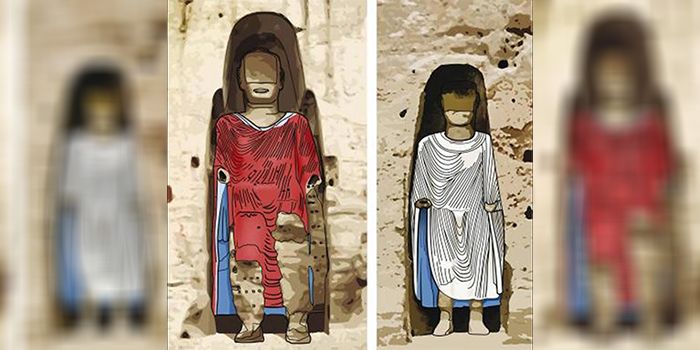
Dr. Ali Karimi, a historian, comments on the destruction of the Buddha statues:
“The main reason behind the looting of the Kabul Museum and the destruction of historical artifacts is that we do not feel connected to these relics. The Taliban and previous rulers from Ahmad Shah Durrani onward have remained alien to the cultures of Balkh, Herat, Bamiyan, and Khorasan. The renaming of Turkestan’s locations from Persian to Pashto and the historical distortions by nationalists are part of an effort to depict Pashtun dominance over Afghanistan as a millennia-old reality. However, history is clear: Pashtuns migrated from northern India to this region in the 16th century and, due to the declining power of the Mughal and Safavid empires, managed to seize parts of southern Afghanistan. Instead of preserving and promoting Afghanistan’s Persian, Turkic, Buddhist, and Zoroastrian heritage, efforts have been made to either destroy it or Pashtunize it.”
The opposition to Bamiyan and Hazara history is thus part of a nationalist and revisionist agenda that disregards and even opposes the cultural legacy of Balkh, Herat, Bamiyan, and Khorasan This perspective aligns with historical attempts to suppress or alter Afghanistan’s diverse cultures and identities. The opposition to “Little Bamiyan” in Melbourne can also be seen as an extension of this alienation and antagonism.
“Little Bamiyan” is more than a geographical designation—it is a symbol of identity, resilience, and Afghanistan’s cultural diversity. This initiative presents an opportunity to introduce Afghanistan’s rich and multicultural history to the world and foster mutual understanding and peaceful coexistence among migrant communities. In an era where cultural diversity is cherished, preserving and showcasing such heritage is not only necessary but a source of pride for all Afghan communities.
Sources:
“Hazaras in Afghanistan,” Minority Rights Group International, accessed February 17, 2025.
“Taliban’s Attack on Buddhist Heritage,” Foreign Policy, June 7, 2022.
“20th Anniversary of Bamiyan Buddhas’ Destruction,” UNESCO, March 9, 2021.
“Hazara Genocide and Systemic Discrimination in Afghanistan,” Civil Rights Leadership Conference, October 1, 2020.
“Who Are the Hazaras of Afghanistan?” Al Jazeera, June 27, 2016.
“In Bamiyan, the Taliban Walk a Tightrope,” New Lines Magazine, August 2021.
“Bamiyan Buddhas: Whose Culture?” Harvard University, accessed February 2025.
“Cultural Massacre of Bamiyan and the Destruction of History: An Interview with Dr. Ali Karimi,” Etilaat Roz, accessed February 2025.
 Outsider