
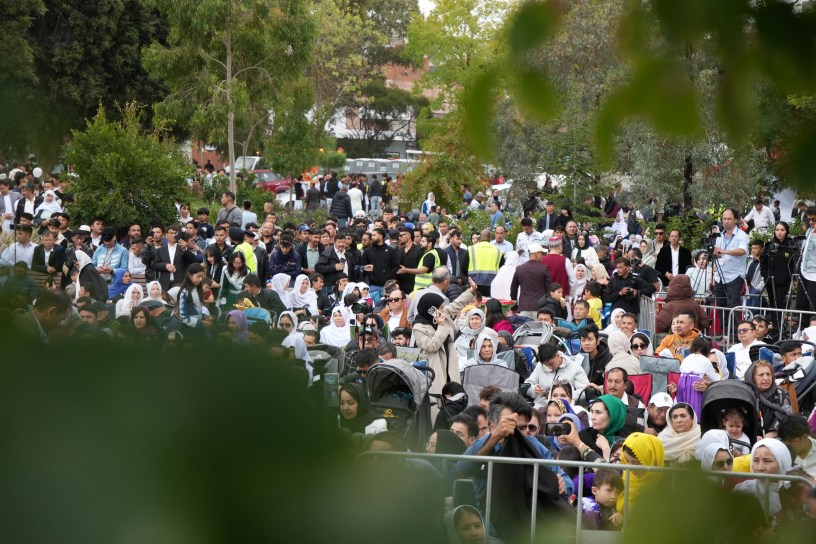
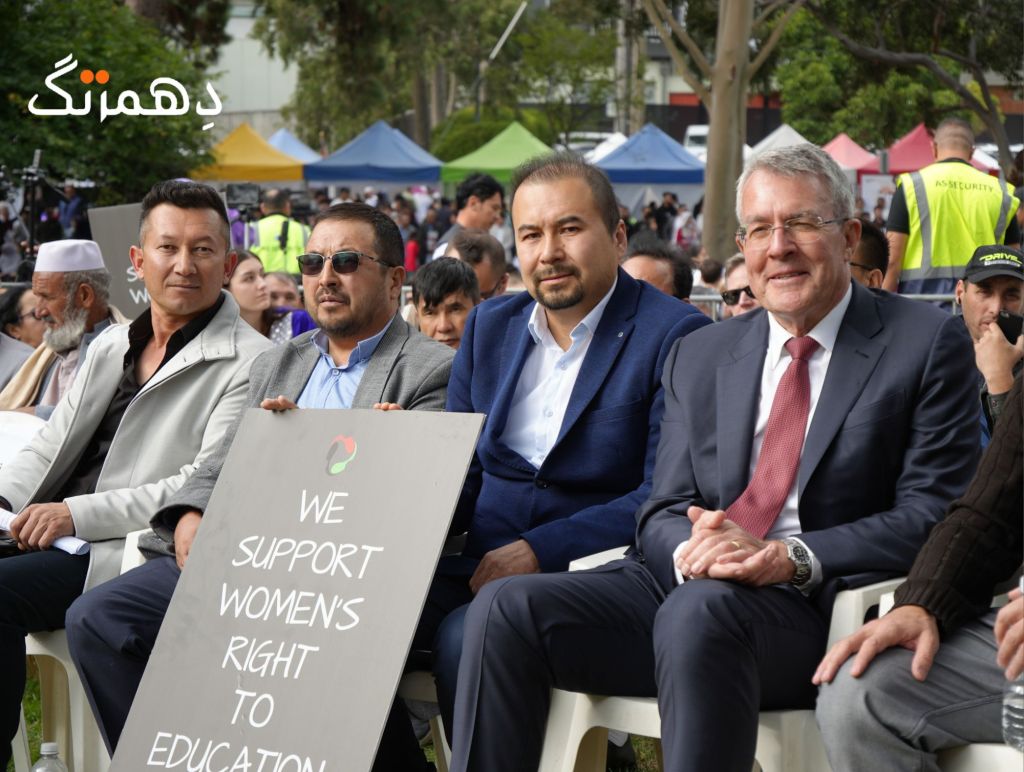
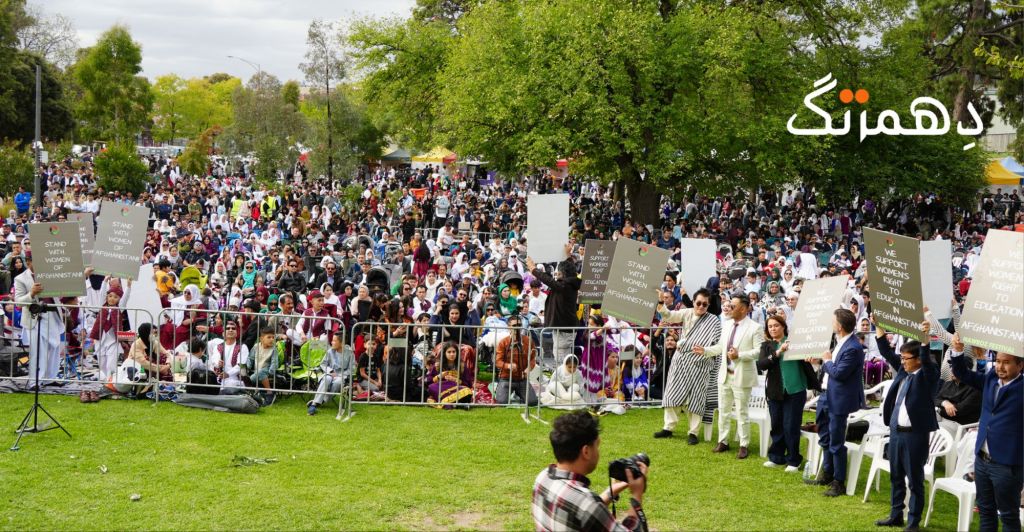
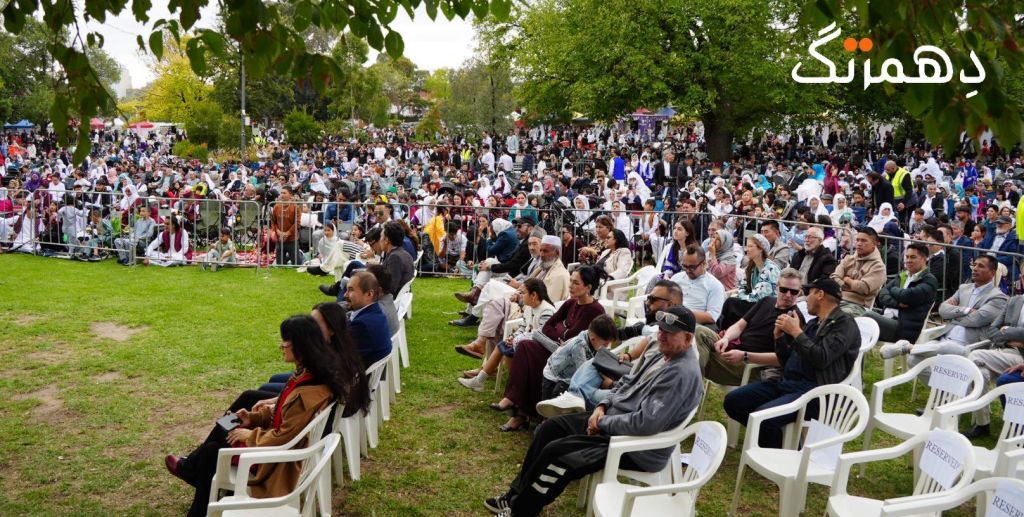
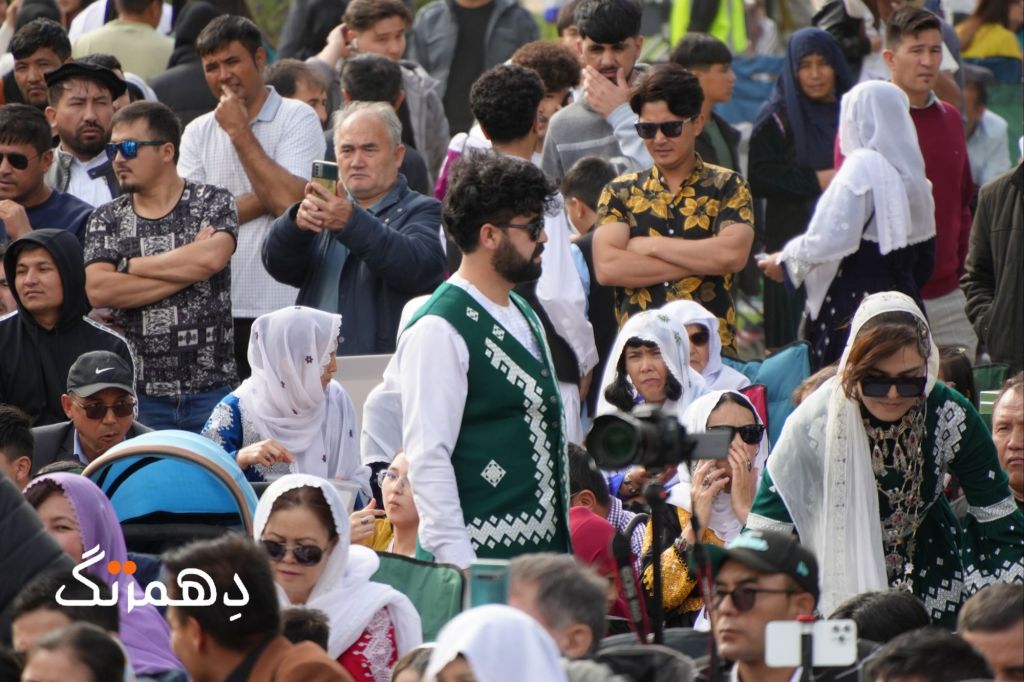
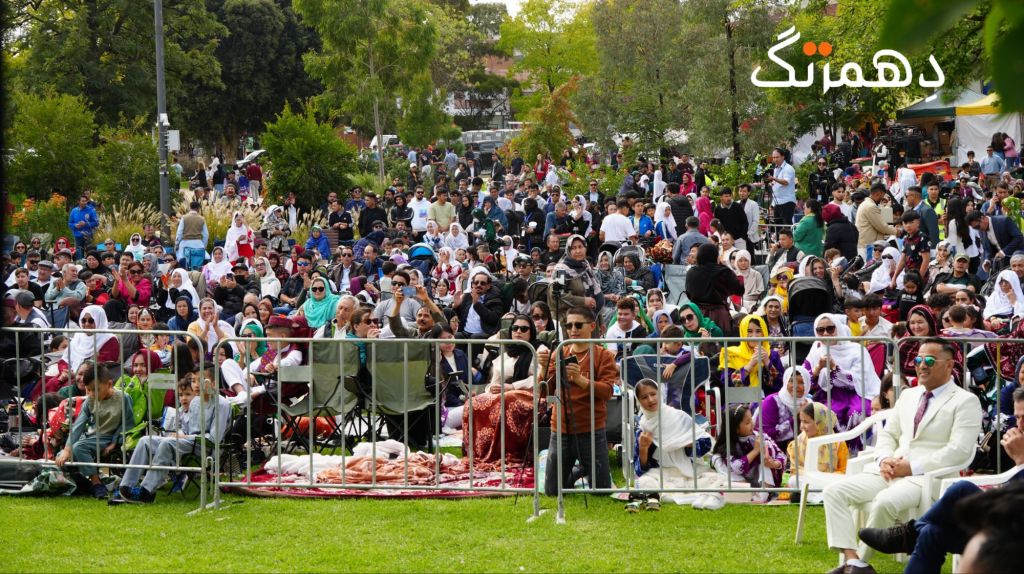
During the weekend, I had the privilege of attending the Nowruz Festival in Dandenong, Victoria, the largest Hazara cultural event in Australia. This annual celebration, which brings together the Hazaras Afghan communities of Melbourne, was once again a spectacular showcase of cultural heritage. The festival attracted an impressive crowd, including prominent figures such as members of parliament, city council representatives, and the Attorney-General of Australia, underscoring its significance as a major cultural event.
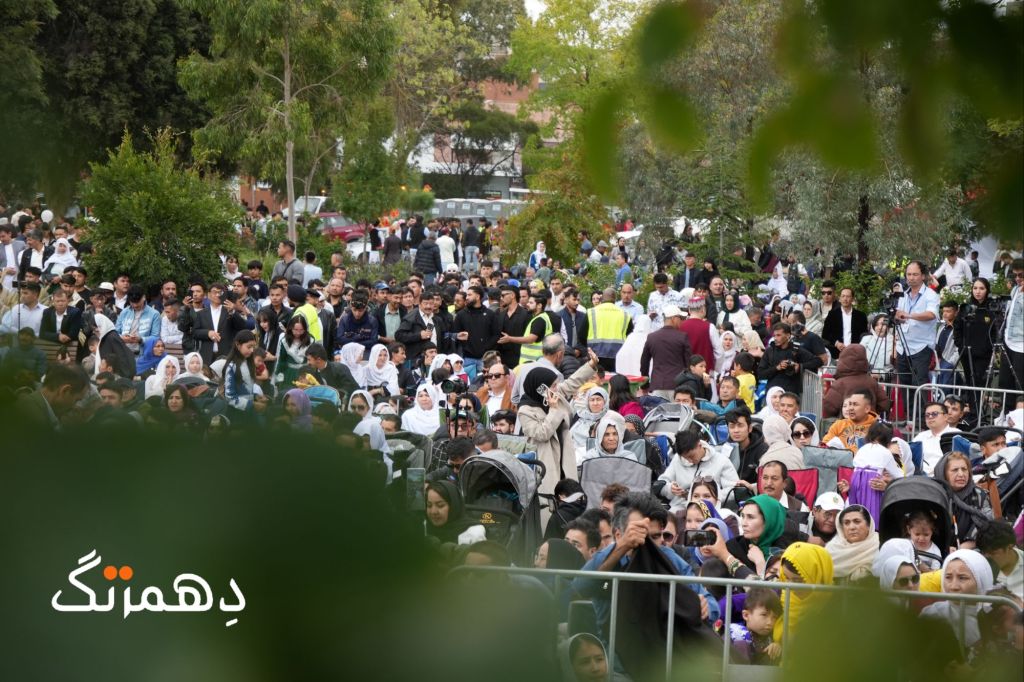
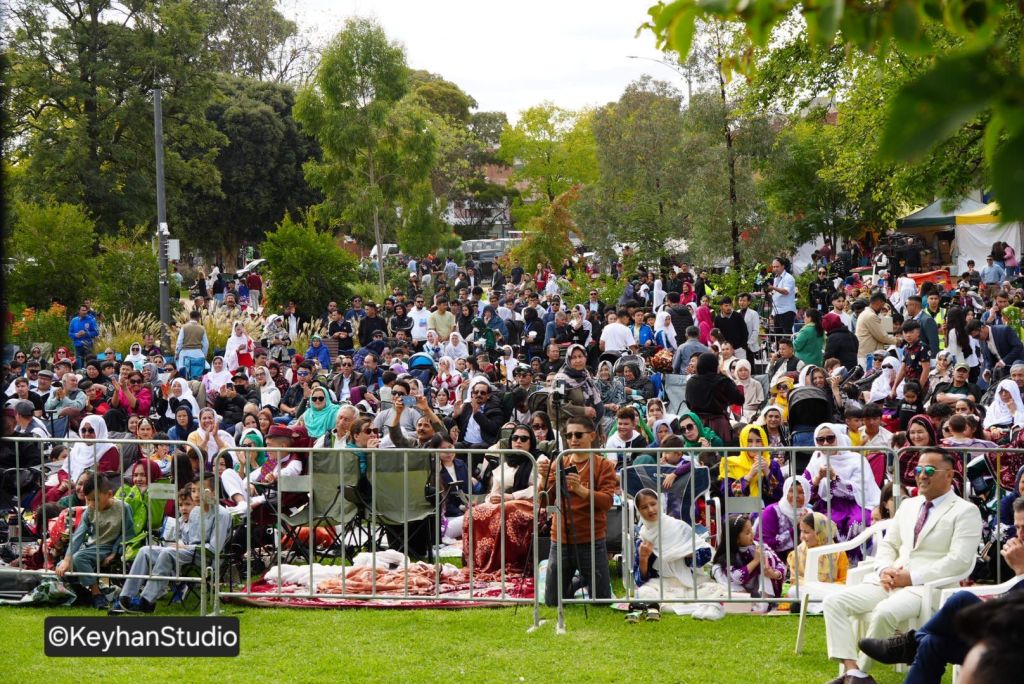
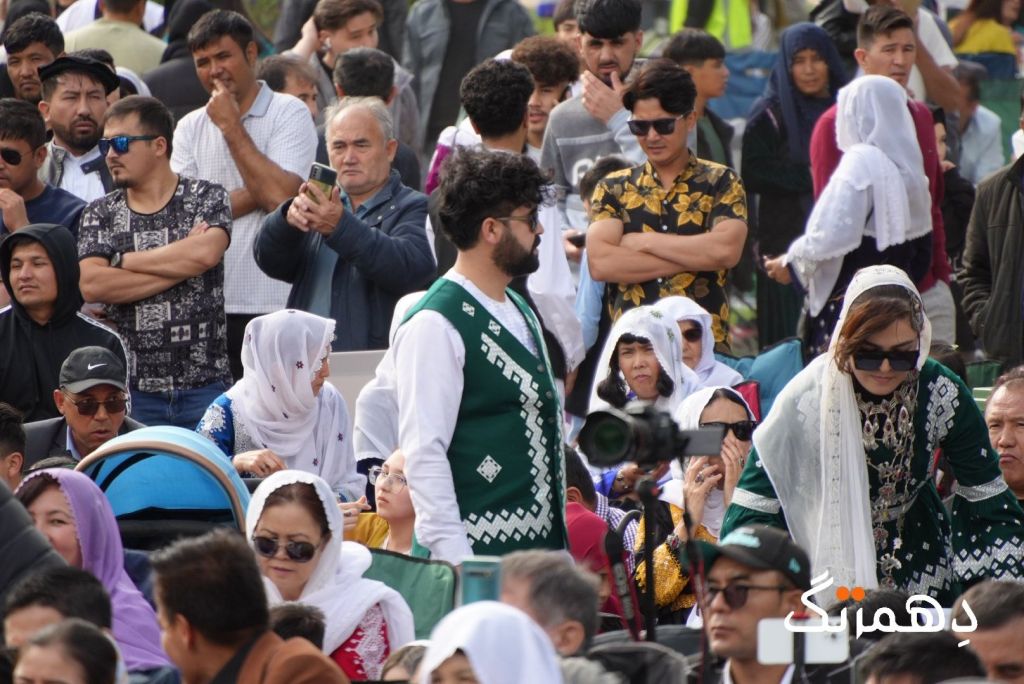
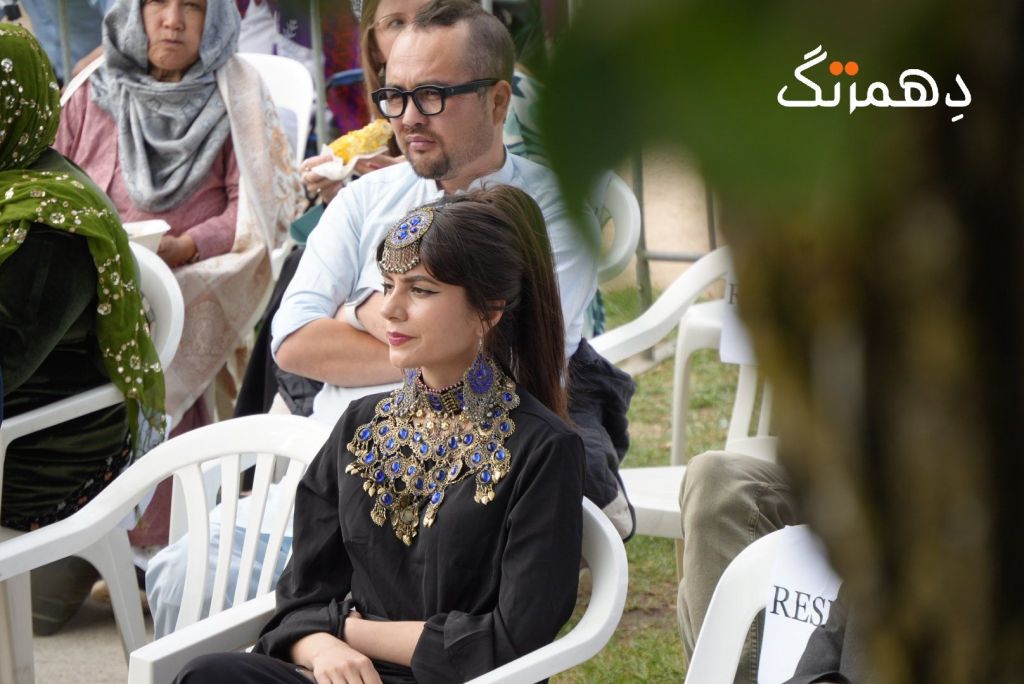
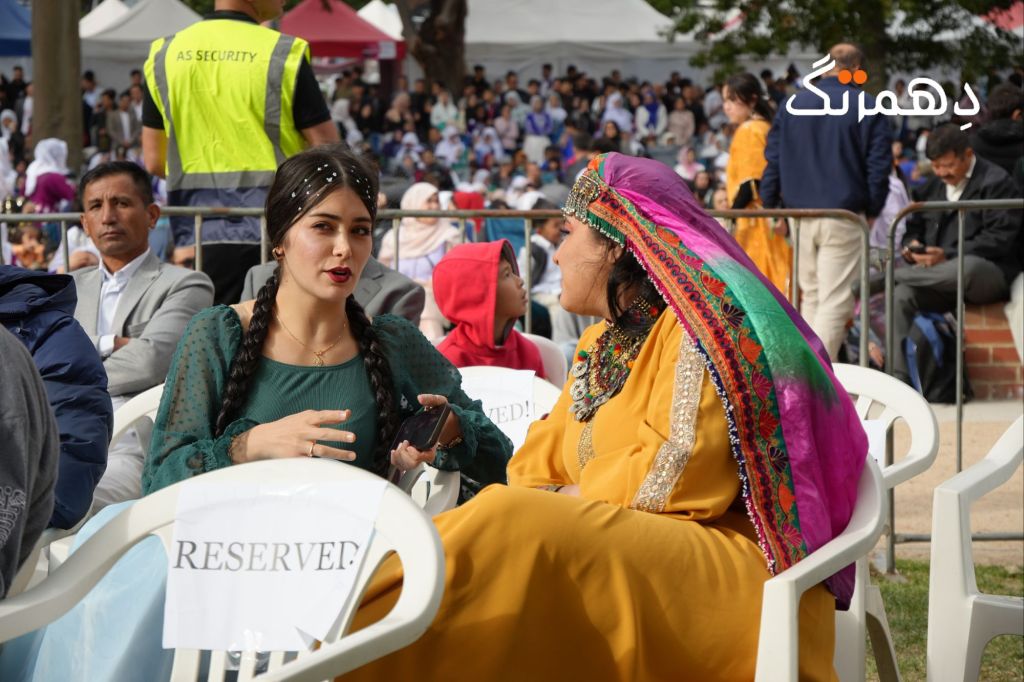
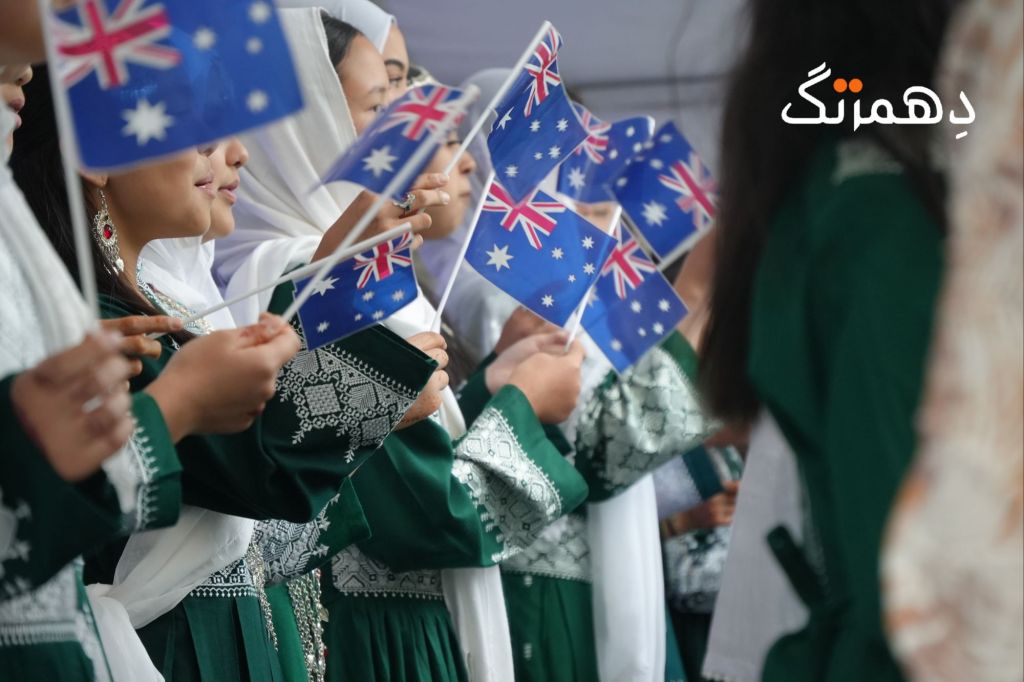
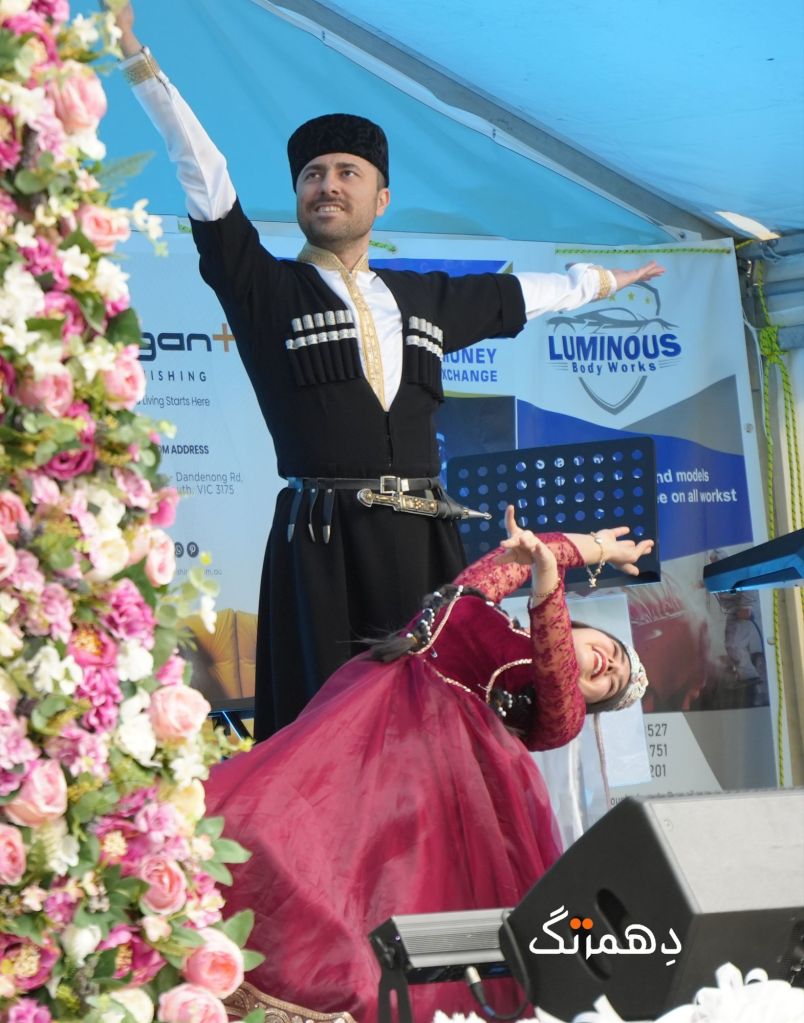
This festival was more than just a gathering; it was a vivid reflection of a history and culture that has endured for centuries in the heart of Bamiyan and found new life in the diverse landscape of Australia. The vibrant scene featured a sea of people standing together, colorful stalls reminiscent of the Nowruz bazaars of Balkh, Bamiyan, Samarkand, Ghazni, and Bukhara, and traditional garments linking Herat and Badakhshan to Zabul, Kabul, Shiraz, and beyond. The atmosphere was charged with energy, solidarity, and a deep sense of hope. A testament to a rich heritage that continues to thrive in Melbourne.
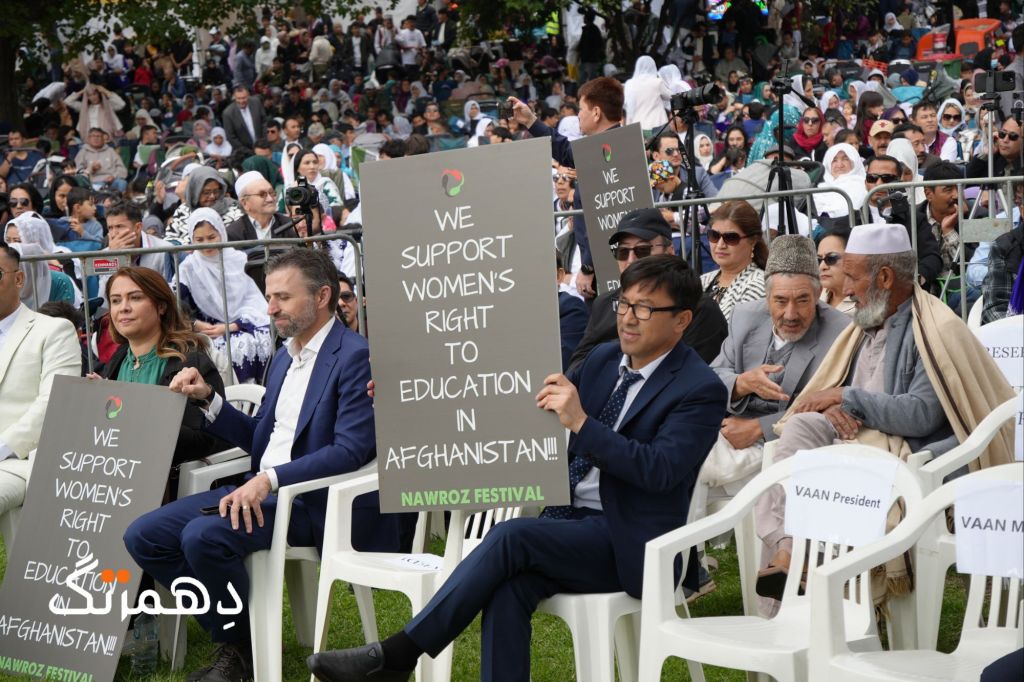
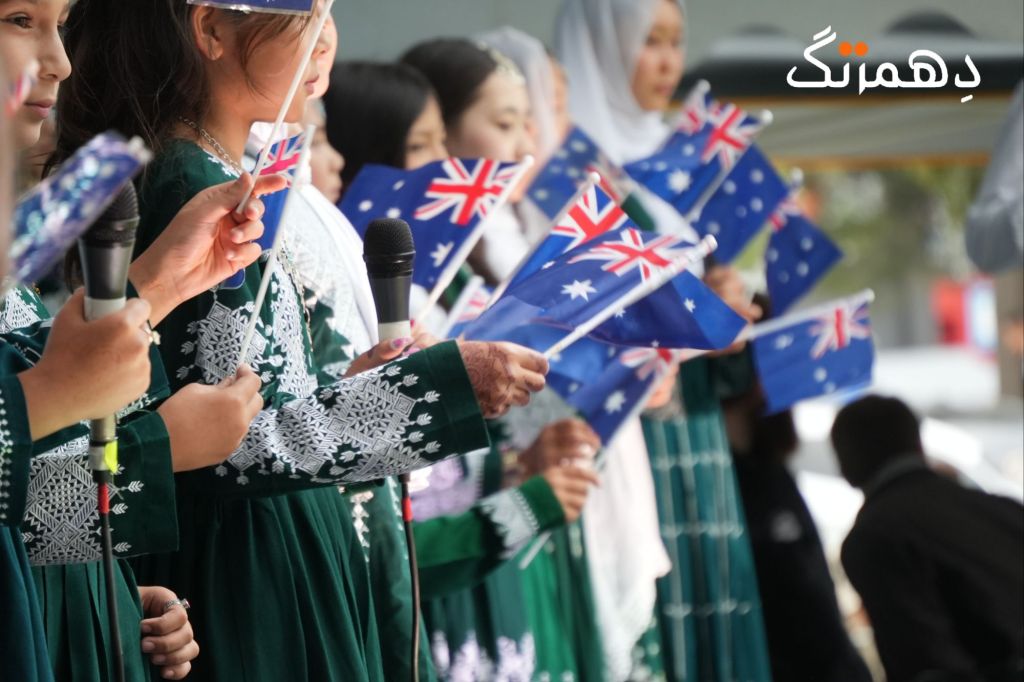
⁷One of the most significant moments of the event was its connection to the rights of women’s of Afghanistan. In a deeply moving performance, the young and talented singer, Nilab Ebrahimi’s, sang Boro Bakhair Ba Maktab, Dars Bekhan Dokhtar Jan (“برو بخیر به مکتب، درس بخوان دختر جان), evoking strong emotions among the attendees. Alongside this performance, banners advocating for the reopening of girls’ schools in Afghanistan were prominently displayed. The audience, in an act of collective solidarity, joined this campaign, sending a clear and powerful message in the presence of Australia’s Attorney-General.
Shabnam Safa, one of the event’s hosts, emphasised the importance of such advocacy, stating, “We must use every opportunity and platform to speak about women’s right to education. Perhaps governments like Australia’s can make a difference!”
The Nowruz Festival in Dandenong was not only a celebration of cultural heritage but also a testament to the resilience of a community that continues to honour its traditions while championing crucial social causes.
 Outsider